Medical Device
iHeart
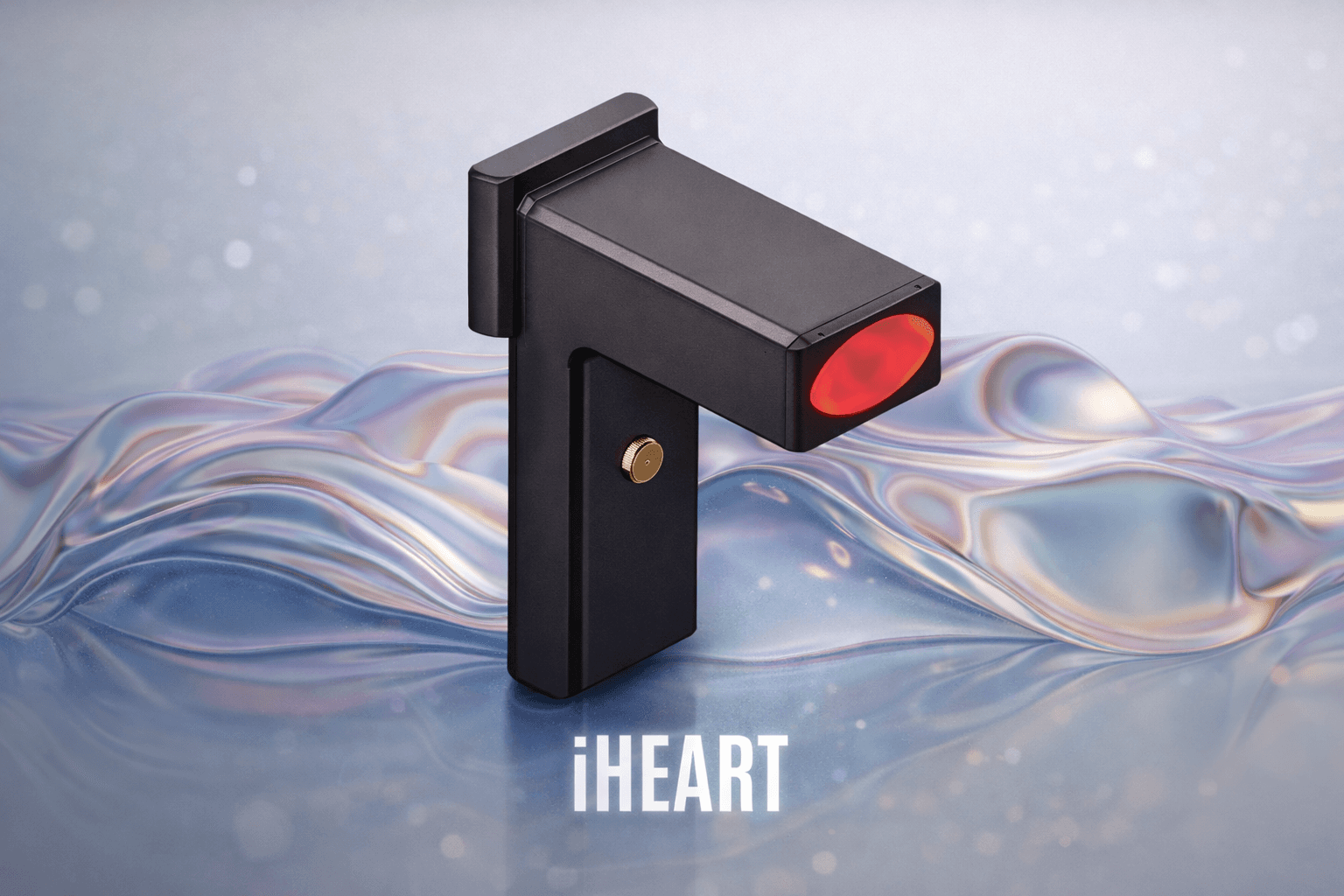
iHeart is a non-invasive retinal scanning prototype designed to evaluate cardiovascular disease risk by analyzing retinal blood vessel patterns.
Year :
2022 - 2023
Industry :
Healthcare
Project Duration :
9 months
Problem :
In many communities, cardiovascular disease is difficult to detect early because advanced diagnostic testing is expensive and not widely available. People in rural or low-resource settings often do not get screened until symptoms become dangerous, making early preventative care much harder.
Solution :
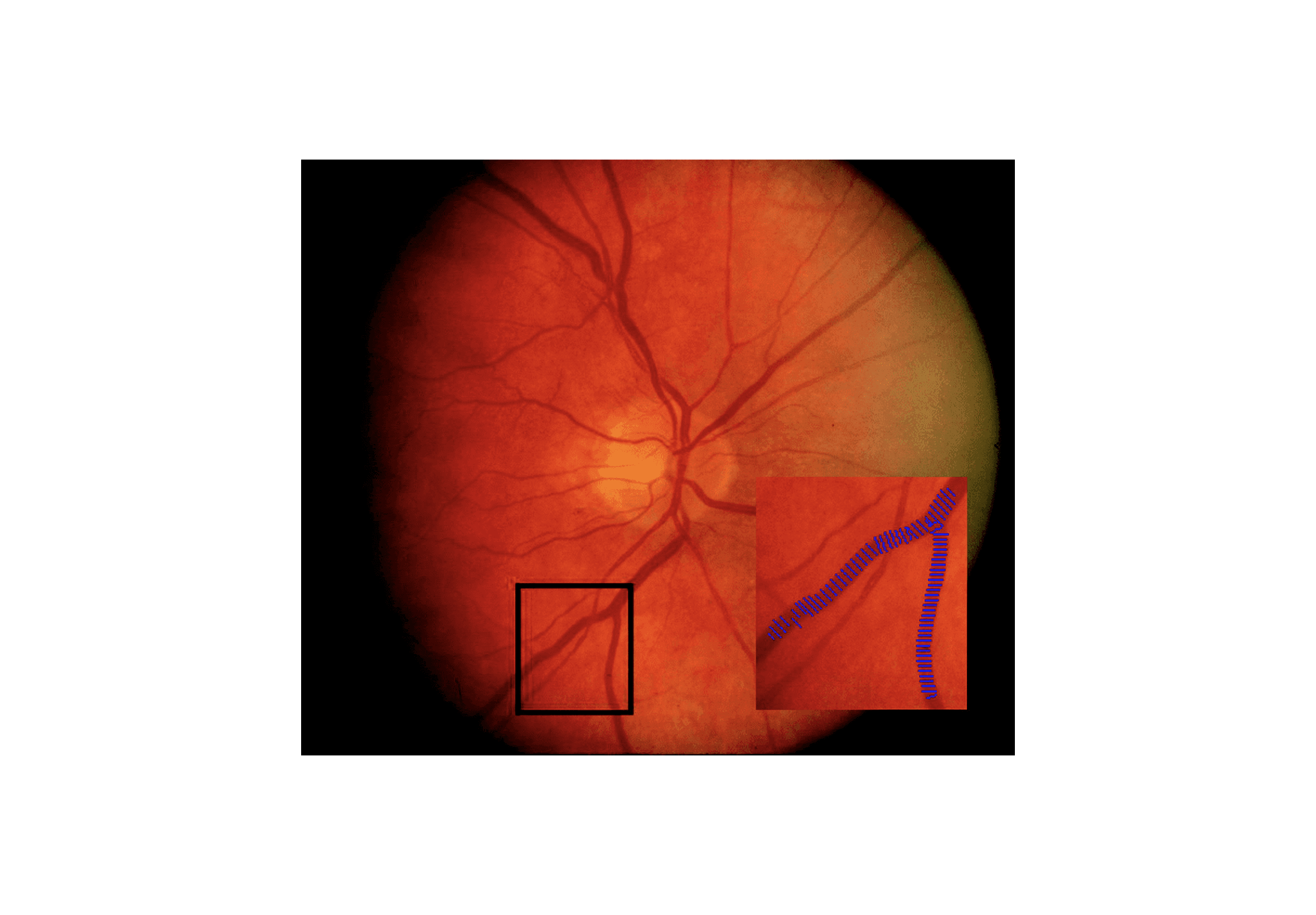
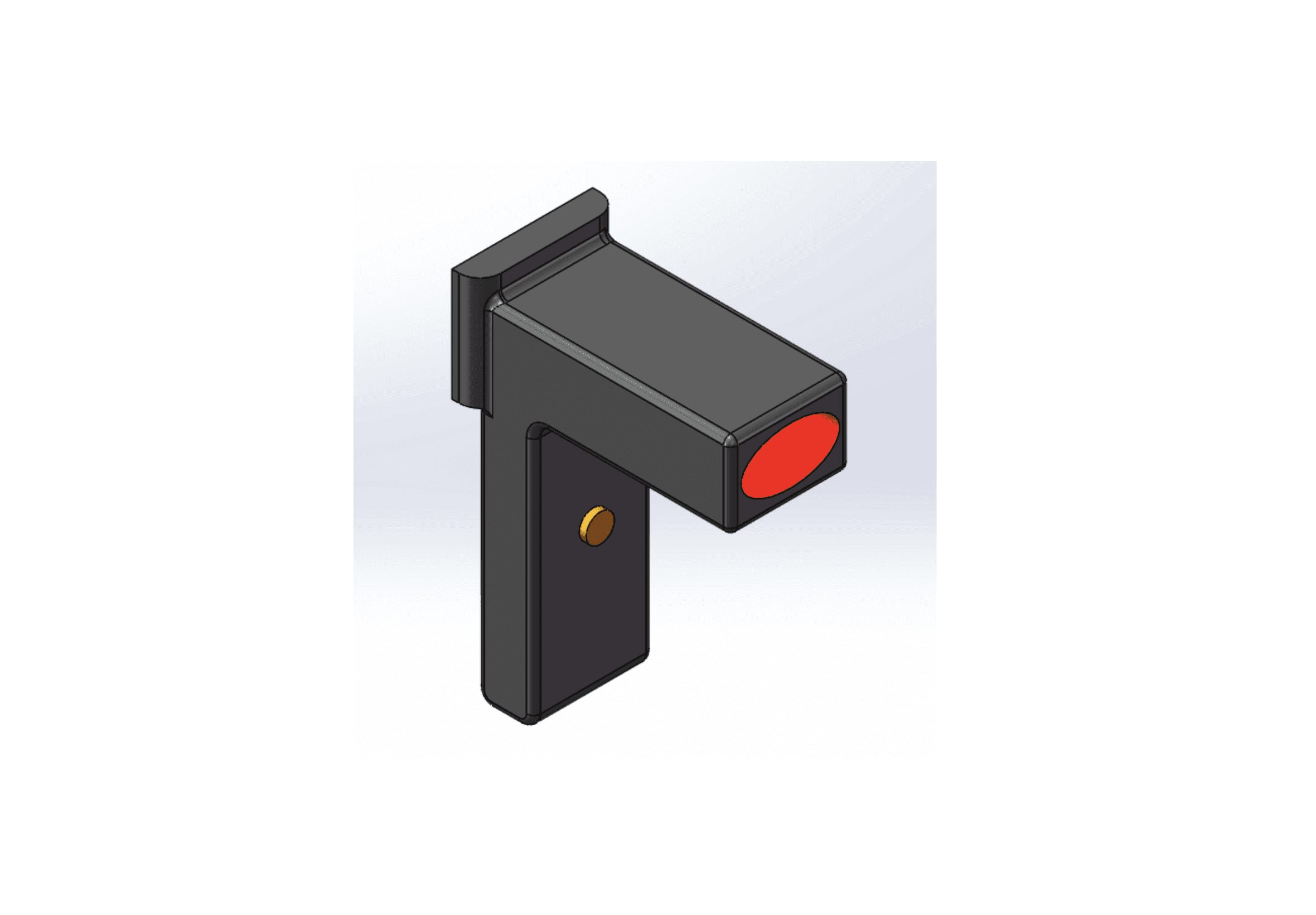
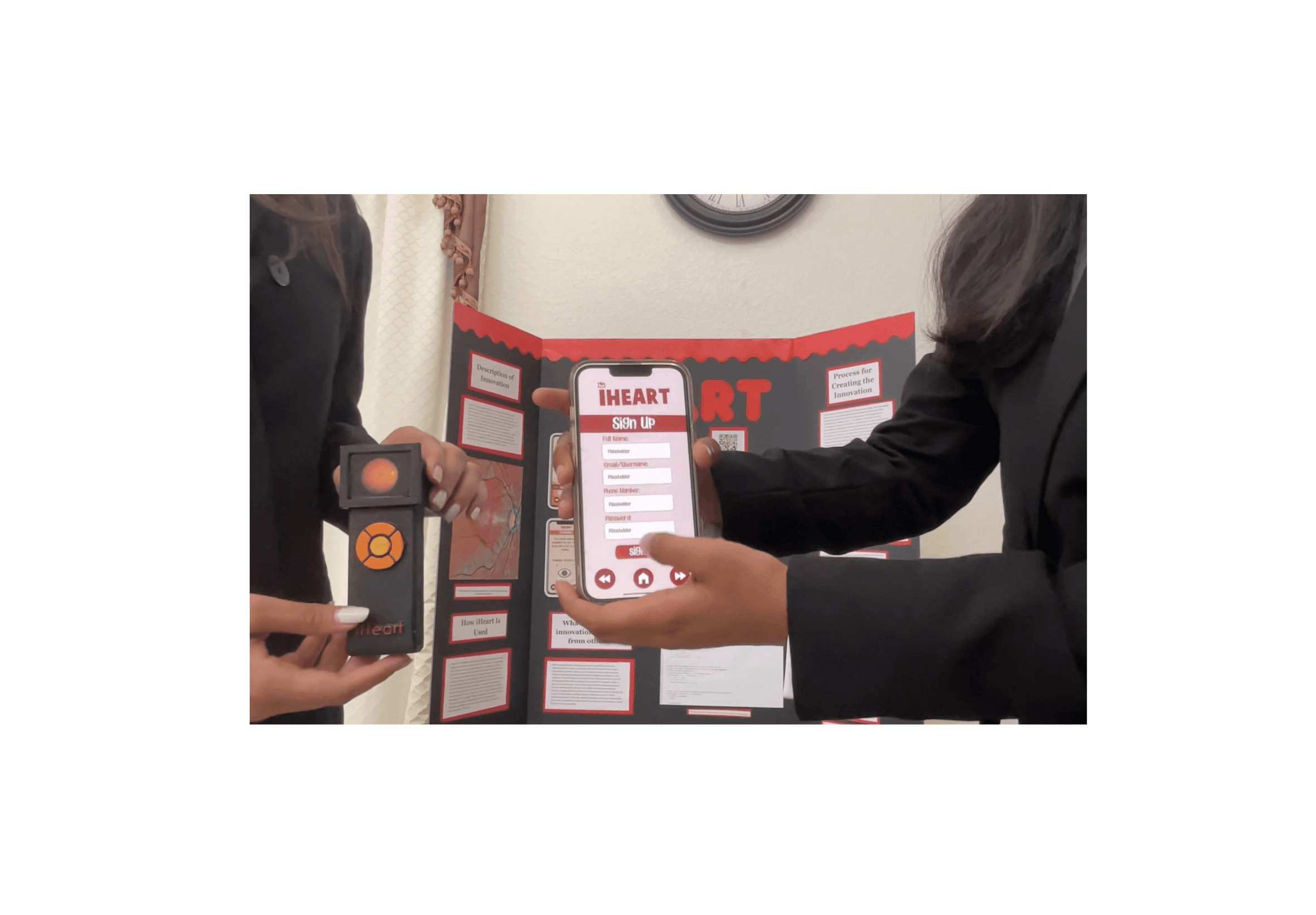
I created iHeart, a retinal-based cardiovascular screening concept that explores how blood vessel patterns in the eye may reflect overall heart and vascular health. I built an imaging workflow using low-cost camera hardware and developed a Python analysis pipeline with OpenCV to process retinal images. The software enhances vessel structure, extracts features from vascular geometry, and applies early AI-inspired pattern recognition approaches to study possible cardiovascular risk indicators.
Challenge :
Retinal images vary significantly based on lighting, motion, and biological differences between individuals. This made consistent vessel detection and feature extraction difficult. I had to repeatedly refine both the imaging setup and the computer vision processing steps to improve reliability.
Summary :
iHeart marked my introduction to medical device innovation and set the foundation for later projects in non-invasive diagnostics. The project placed 6th at the HOSA International Leadership Conference, highlighting its technical promise and early impact.
View iHeart here: https://drive.google.com/drive/folders/1roFMVFGhOZf6-uTHYHuEeGtajIc0bkXR

More Projects


Medical Device
iHeart
iHeart is a non-invasive retinal scanning prototype designed to evaluate cardiovascular disease risk by analyzing retinal blood vessel patterns.
Year :
2022 - 2023
Industry :
Healthcare
Project Duration :
9 months
Problem :
In many communities, cardiovascular disease is difficult to detect early because advanced diagnostic testing is expensive and not widely available. People in rural or low-resource settings often do not get screened until symptoms become dangerous, making early preventative care much harder.
Solution :
I created iHeart, a retinal-based cardiovascular screening concept that explores how blood vessel patterns in the eye may reflect overall heart and vascular health. I built an imaging workflow using low-cost camera hardware and developed a Python analysis pipeline with OpenCV to process retinal images. The software enhances vessel structure, extracts features from vascular geometry, and applies early AI-inspired pattern recognition approaches to study possible cardiovascular risk indicators.
Challenge :
Retinal images vary significantly based on lighting, motion, and biological differences between individuals. This made consistent vessel detection and feature extraction difficult. I had to repeatedly refine both the imaging setup and the computer vision processing steps to improve reliability.
Summary :
iHeart marked my introduction to medical device innovation and set the foundation for later projects in non-invasive diagnostics. The project placed 6th at the HOSA International Leadership Conference, highlighting its technical promise and early impact.
View iHeart here: https://drive.google.com/drive/folders/1roFMVFGhOZf6-uTHYHuEeGtajIc0bkXR
More Projects
Medical Device
iHeart
iHeart is a non-invasive retinal scanning prototype designed to evaluate cardiovascular disease risk by analyzing retinal blood vessel patterns.
Year :
2022 - 2023
Industry :
Healthcare
Project Duration :
9 months
Problem :
In many communities, cardiovascular disease is difficult to detect early because advanced diagnostic testing is expensive and not widely available. People in rural or low-resource settings often do not get screened until symptoms become dangerous, making early preventative care much harder.
Solution :
I created iHeart, a retinal-based cardiovascular screening concept that explores how blood vessel patterns in the eye may reflect overall heart and vascular health. I built an imaging workflow using low-cost camera hardware and developed a Python analysis pipeline with OpenCV to process retinal images. The software enhances vessel structure, extracts features from vascular geometry, and applies early AI-inspired pattern recognition approaches to study possible cardiovascular risk indicators.
Challenge :
Retinal images vary significantly based on lighting, motion, and biological differences between individuals. This made consistent vessel detection and feature extraction difficult. I had to repeatedly refine both the imaging setup and the computer vision processing steps to improve reliability.
Summary :
iHeart marked my introduction to medical device innovation and set the foundation for later projects in non-invasive diagnostics. The project placed 6th at the HOSA International Leadership Conference, highlighting its technical promise and early impact.
View iHeart here: https://drive.google.com/drive/folders/1roFMVFGhOZf6-uTHYHuEeGtajIc0bkXR